
 English
 русский
 Français
 Español
 Português
 Deutsch
 عربى
عربى

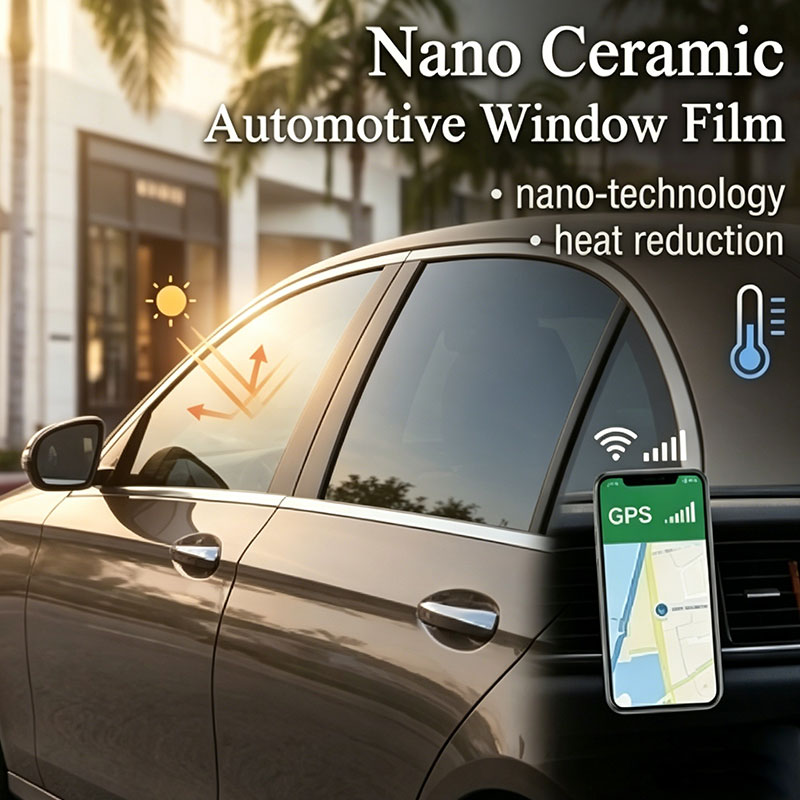
Lámina nanocerámica para ventanas de automóviles
lámina nanocerámica de tono natural diseñada para una claridad de color real. Tecnología híbrida de color original y nanocerámica con protección UV superior, alto rechazo de calor y una vida útil mucho más allá de las láminas teñidas.
La lámina nanocerámica para ventanas automotrices está diseñada para brindar claridad de color real sin distorsión, preservando el aspecto original del vidrio y el interior de su vehículo. Combina tecnología híbrida de color original con componentes nanocerámicos avanzados, ofreciendo un rendimiento confiable y constante para la conducción diaria. La lámina proporciona una fuerte protección UV para ayudar a proteger a los ocupantes y reducir la decoloración de la tapicería y los tableros. También ofrece un rechazo constante de altas temperaturas para reducir la temperatura de la cabina y aliviar la carga del aire acondicionado. A diferencia de las láminas teñidas comunes, esta opción nanocerámica resiste la decoloración, el descascarado y las burbujas, lo que permite una vida útil mucho más larga y un mejor valor a largo plazo. Mantiene una visibilidad clara día y noche, no interfiere con las señales electrónicas y equilibra la protección práctica, la comodidad visual y la durabilidad para el uso diario en automóviles.
información a actualizar
Conocimiento de la industria
La paradoja de la selectividad: alto VLT con máximo rechazo IR
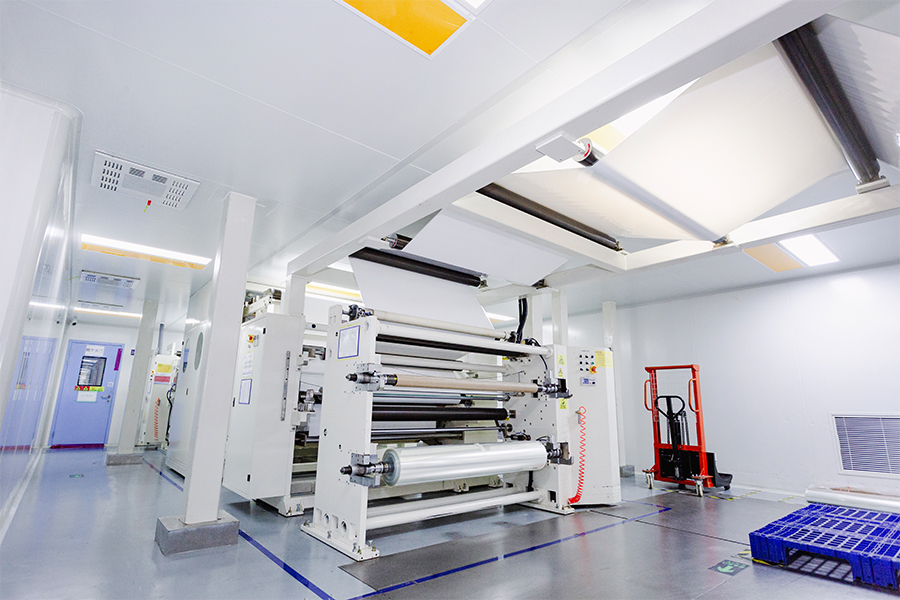
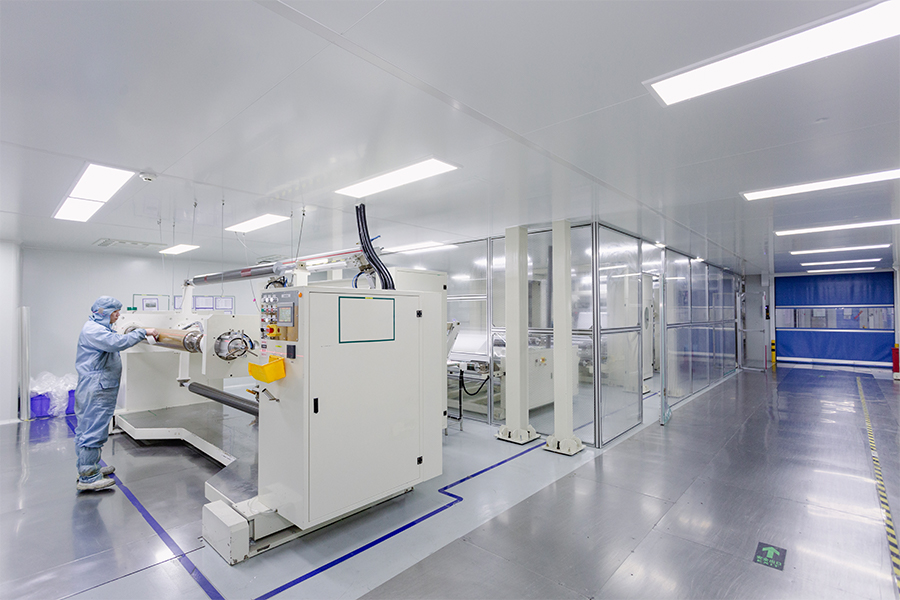
Las películas teñidas tradicionales logran oscuridad al absorber la luz visible de manera indiscriminada, lo que compromete la visibilidad al conducir durante la noche. Película para ventanas automotrices de nanocerámica Se basa en la absorción espectralmente selectiva, un mecanismo físico fundamentalmente diferente. Anhui He He New Materials Co., Ltd., establecida en 2019, aprovecha su plataforma de producción de recubrimientos de precisión para dispersar partículas absorbentes de infrarrojos a nanoescala, generalmente óxido de antimonio y estaño o bronce de tungsteno y cesio, dentro de la formulación de recubrimiento funcional. Estas partículas exhiben resonancia plasmónica, lo que significa que los electrones libres oscilan en respuesta a longitudes de onda específicas del infrarrojo cercano, convirtiendo esa energía solar en calor que se disipa hacia afuera mientras permite que los fotones de luz visible pasen con una atenuación mínima. El desafío de ingeniería radica en mantener la estabilidad de la dispersión: las nanopartículas tienden inherentemente a aglomerarse, lo que provoca turbidez y reduce la eficiencia del bloqueo de IR. Como fabricante directo con capacidad interna completa de investigación y desarrollo de adhesivos especializados, HEHE controla la química de pasivación de la superficie de las partículas, lo que garantiza que una película para ventanas de nanocerámica para automóviles pueda ofrecer simultáneamente un 70 % de transmisión de luz visible y más de un 95 % de rechazo de infrarrojos a 950 nm sin la característica neblina azul que delata una calidad de dispersión inferior en el mercado mayorista.
Corrosión de los bordes adhesivos en entornos de alta carga solar
Un modo de falla práctico exclusivo de la película para ventanas de nanocerámica para automóviles es la delaminación que se inicia desde el borde superior, impulsada por un estrés térmico concentrado. Debido a que la capa cerámica absorbe la radiación IR y la convierte en calor, el borde de la película adyacente a la banda de frita de vidrio puede alcanzar temperaturas superiores a los 90°C en vehículos estacionados. Los adhesivos acrílicos sensibles a la presión estándar se someten a una escisión de cadena bajo una exposición sostenida al calor y al oxígeno, lo que crea un margen desunido progresivo llamado coloquialmente "borde de la uña". Anhui He He New Materials Co., Ltd. aborda esto dentro de su plataforma de fabricación de cadena industrial completa mediante la formulación de una capa adhesiva de alta Tg estabilizada contra los rayos UV. Incorporamos estabilizadores de luz de aminas impedidas directamente en la matriz adhesiva durante la fase de I+D de adhesivos especiales en lugar de depender de la migración posterior al recubrimiento desde las capas de la película. Esta integración estructural, imposible para las fábricas de conversión simples, garantiza que la interfaz funcional del revestimiento y el vidrio permanezca ópticamente clara y mecánicamente intacta, preservando la apariencia perfecta de la instalación incluso años después de la vida útil del vehículo bajo la agresiva exposición al sol del desierto.
Haze de ángulo bajo y claridad óptica fuera del eje
Los valores de rechazo total de energía solar en una hoja de especificaciones no revelan la distorsión óptica experimentada durante la conducción en el mundo real. Cuando se mira a través de un parabrisas en un ángulo agudo, los revestimientos cerámicos mal dispersos dispersan la luz de longitud de onda corta, creando un velo "lechoso" que reduce la distancia de detección de los peatones. Anhui He He New Materials Co., Ltd. cuantifica esto mediante mediciones de turbidez ASTM D1003 en múltiples ángulos de incidencia en lugar de solo la incidencia normal. A través de nuestra plataforma de fabricación desarrollada originalmente para películas electrónicas 3C de precisión, controlamos la coincidencia del índice de refracción entre el recubrimiento funcional nanocerámico y el sustrato de TPU o PET. Al minimizar los reflejos interfaciales de Fresnel dentro de la propia pila de películas, HEHE garantiza que nuestra película para ventanas de nanocerámica para automóviles mantenga una claridad de ángulo bajo comparable al vidrio sin recubrimiento. Esta homogeneidad óptica es un resultado directo de nuestra profunda capacidad de personalización; Podemos adaptar el espesor de la película y el índice de refracción del recubrimiento para minimizar el efecto de captura de la guía de ondas que amplifica la dispersión de la luz parásita en películas menores utilizadas para aplicaciones de belleza automotriz.
Atenuación de señal: la distinción metálica versus cerámica
A medida que la conectividad de los vehículos se vuelve fundamental tanto para el ecosistema de baterías de nueva energía como para la conducción autónoma, la compatibilidad electromagnética de las películas para ventanas exige una ingeniería precisa. Las películas metálicas pulverizadas funcionan como jaulas de Faraday, atenuando las señales de GPS, 5G y transpondedores de peaje hasta en 30 dB. genuino Película para ventanas automotrices de nanocerámica de Anhui He He New Materials Co., Ltd. evita esto porque el recubrimiento funcional contiene óxidos semiconductores en lugar de planos metálicos conductores continuos. Sin embargo, persiste un sutil riesgo de interferencia: ciertos revestimientos cerámicos de alta carga crean una tangente de pérdida dieléctrica que aún puede degradar señales de alta frecuencia en frecuencias de ondas milimétricas. Dentro de nuestra investigación y desarrollo especializados para soluciones de películas de vanguardia, evaluamos cada lote para determinar la pérdida de inserción en las bandas de 600 MHz a 40 GHz. La siguiente lista detalla los parámetros críticos que HEHE monitorea como parte de una verdadera puerta de calidad directa del fabricante, que trasciende la simple aceptación visual:
- Requisito de resistividad de la lámina para películas cerámicas verdaderas: debe permanecer por encima de 10⁸ Ω/sq para garantizar que no haya acoplamiento capacitivo con el conjunto de antenas integradas del vehículo.
- Tolerancia a la uniformidad del recubrimiento: las variaciones de espesor localizadas que superan el 5 % en la capa absorbente de IR crean cavidades resonantes que atrapan frecuencias de telecomunicaciones específicas, lo que provoca una conectividad intermitente cerca de la infraestructura de peaje.
- Coincidencia de constante dieléctrica entre capas: la formulación de recubrimiento funcional debe mantener una constante dieléctrica por debajo de 3,5 en todo el rango de frecuencia de la banda X para garantizar el paso transparente de las señales de radar para evitar colisiones cuando se aplican películas cerca de las carcasas de los sensores.
Expansión térmica diferencial entre revestimiento y sustrato
Un desafío a nivel de construcción para las películas para ventanas de automóviles de nanocerámica es el microgrietas que surge meses después de la instalación en climas con ciclos rápidos de temperatura. La capa dura cargada con cerámica y el sustrato polimérico poseen diferentes coeficientes de expansión térmica. Durante una repentina ráfaga de descongelación en un clima frío sobre un parabrisas helado, la capa cerámica no puede expandirse tan rápidamente como la película base, lo que induce grietas de tracción visibles como un patrón de "telaraña" en la luz solar reflejada. Aprovechando nuestra ventaja de toda la cadena industrial, Anhui He He New Materials Co., Ltd. diseña una interfaz graduada, no un límite definido, entre estas capas. Intercalamos una capa amortiguadora elastomérica depositada en línea durante nuestra producción de recubrimientos de precisión. Esta zona de transición actúa como una capa de alivio de tensión compatible. Para los socios de fabricación por contrato que buscan crear una competitividad de marca diferenciada, podemos adaptar el módulo de esta capa intermedia para que coincida con los criterios de prueba de choque térmico extremo, garantizando que el componente de película transparente mayorista a base de TPU o PET permanezca libre de fallas ópticas inducidas por estrés en toda la superficie del vidrio.
Migración de nanopartículas y estabilidad IR a largo plazo
Una vía de falla crítica para las películas para ventanas de automóviles de nanocerámica poco cocidas es la lenta migración de nanopartículas que absorben IR hacia la capa adhesiva, un fenómeno que se acelera bajo cargas térmicas y UV combinadas. Cuando las nanopartículas de bronce y cesio-tungsteno pierden su encapsulación protectora y se difunden hacia la interfaz de vidrio, la película experimenta un "desplazamiento púrpura" donde la luz transmitida adquiere un tono azul-magenta pronunciado mientras el rechazo de infrarrojos cae en picado simultáneamente. Anhui He He New Materials Co., Ltd., establecida en 2019 como una plataforma de películas para automóviles integrada verticalmente, mitiga esto mediante una matriz de encapsulación sol-gel reticulada dentro de la formulación de recubrimiento funcional. En lugar de utilizar dispersiones simples estabilizadas con tensioactivos, bloqueamos las nanocerámicas dentro de una red híbrida de sílice y titania sintetizada durante la fase de curado del recubrimiento. La siguiente tabla detalla las diferencias estructurales entre los recubrimientos dispersos convencionales y el enfoque encapsulado empleado en nuestro sistema interno:
| Característica | Dispersión de tensioactivo estándar | Sistema de matriz encapsulada HEHE |
| Movilidad de partículas bajo calor | Alto (desorción del surfactante a 70°C) | Cerca de cero (anclaje covalente en jaula de sol-gel) |
| Cambio de color QUV de 1000 horas (ΔE) | Normalmente > 5,0 (visible a simple vista) | < 1,5 (No perceptible para el consumidor) |
| Relevancia para vehículos con baterías de nueva energía | Deficiente (la carga de calor del techo panorámico degrada la película rápidamente) | Excelente (Barrera térmica estable para techos de vidrio) |
El efecto Prowl: dependencia angular del color cerámico
La película para ventanas de nanocerámica para automóviles no suele exhibir el dramático recorrido del color del camaleón PPF, pero sí posee un sutil "efecto de merodeo" en el que el tono transmitido cambia cuando se mira a través de un vidrio curvo en ángulos oblicuos. Esto surge de la dispersión dependiente del ángulo conocida como efecto Tyndall dentro de la dispersión nanocerámica. Aunque a menudo se considera un defecto, Anhui He He New Materials Co., Ltd. puede diseñar esta propiedad a través de nuestras profundas capacidades de personalización. Al controlar la distribución del tamaño de las partículas dentro de una ventana estrecha de 20 a 40 nm durante la etapa de formulación del recubrimiento funcional, amortiguamos la dispersión para que el vidrio conserve un tono gris neutro o azul sutil independientemente de la geometría de visualización. Alternativamente, para las marcas que buscan una firma de lujo distintiva, podemos ampliar deliberadamente la distribución del tamaño de las partículas para introducir un pivote controlado de color cálido a frío cuando se ve desde las ventanillas del conductor frente a las del pasajero, creando una identidad óptica única. Este nivel de escultura espectral solo se puede lograr como fabricante directo con un verdadero control de recubrimiento de precisión de toda la cadena industrial.
Compatibilidad con sistemas avanzados de asistencia al conductor dentro de la cabina
El montaje de lectores de peaje o cámaras de salpicadero directamente sobre la película para ventanas de nanocerámica para automóviles mediante ventosas introduce un riesgo de deformación localizada que degrada la calidad óptica. El adhesivo sensible a la presión de un soporte puede plastificar la capa dura resistente a los arañazos de la película, provocando una hendidura permanente en el anillo. Anhui He He New Materials Co., Ltd. ha adaptado su investigación y desarrollo de adhesivos especiales para formular una capa dura de mayor densidad de reticulación que resista la migración de plastificantes de los adhesivos de montaje externos. Además, ofrecemos personalización para una sección dedicada de "almohadilla de montaje" integrada durante la producción del recubrimiento de precisión, donde la superficie superior tiene textura a nivel micro para proporcionar una retención de succión segura sin degradar la capa cerámica subyacente de rechazo de infrarrojos. Esto refleja nuestro enfoque integral para brindar soluciones cinematográficas de vanguardia para las industrias de accesorios funcionales y de belleza automotriz simultáneamente.
Integración con la gestión de carga térmica de vehículos de nueva energía
Para los vehículos eléctricos, especialmente aquellos con amplios techos panorámicos de cristal, la gestión térmica de la cabina determina directamente la autonomía de la batería porque el consumo de energía del HVAC compite con la propulsión. La película para ventanas de automóviles de nanocerámica de Anhui He He New Materials Co., Ltd. funciona como un elemento pasivo de rechazo del calor. Nuestra plataforma de fabricación produce películas con un rechazo total de la energía solar superior al 60 % en vidrio, lo que se traduce en una reducción medida de la temperatura de inmersión en la cabina de 8 a 12 °C. Esto reduce significativamente el aumento inicial de aire acondicionado requerido al inicio, ampliando el alcance durante los meses de verano. Debido a que también prestamos servicios directamente a la industria de baterías de nueva energía, nuestras especificaciones de película incluyen datos de emisividad hemisférica total, no solo cifras de transmisión normales. La siguiente tabla describe cómo nuestros parámetros de película transparente y película cerámica al por mayor se traducen en métricas tangibles de eficiencia de vehículos eléctricos, aprovechando los conocimientos de nuestra plataforma de I+D intersectorial:
| Métrica de rendimiento | Película teñida estándar | Película para ventanas automotrices de nanocerámica HEHE |
| Mecanismo de rechazo de infrarrojos | Absorción sin selectividad (Calienta vidrio) | Resonancia plasmónica (energía irradiada hacia afuera) |
| Temperatura de la superficie interior del vidrio del techo | Alta (carga de calor radiante sobre los pasajeros) | Significativamente más bajo (Comodidad a centímetros del vidrio) |
| Factor de eficiencia de rango personalizable | No hay modelo de impacto directo disponible | Simulable con datos de modelado térmico HEHE |
Tiempo de secado posterior a la instalación y moteado visual
Los instaladores de películas para ventanas de nanocerámica para automóviles observan con frecuencia una apariencia "enrojecida" o moteada transitoria durante la primera semana, especialmente en climas de alta humedad. Se trata de agua atrapada en microhuecos dentro de la capa adhesiva durante el proceso de aplicación húmeda que se fusiona en pequeñas lentes ópticas. Debido a que las películas cerámicas bloquean el calor IR que normalmente expulsaría esta humedad, requieren períodos de secado más prolongados que las películas transparentes. Anhui He He New Materials Co., Ltd. diseña la topografía de la superficie adhesiva utilizando una técnica de impresión del revestimiento de liberación controlada, creando canales microscópicos que facilitan el escape lateral del vapor de agua hacia los bordes de la película. Como parte de nuestro profundo servicio de personalización para marcas de belleza automotriz, podemos ajustar la densidad de este canal según la geografía de instalación objetivo, garantizando un acabado uniforme y transparente en 48 horas en lugar de semanas, evitando quejas prematuras de los clientes relacionadas con la turbidez temporal.
-
 No. 5, Datang Road, East District, Development Zone, Guangde City, Xuancheng City, Anhui Province,242200, China
-
 [email protected]
-
 +86 18170340295
Copyright Anhui He He New Materials Co., Ltd. Todos los derechos reservados.
 Película TPU PPF al por mayor Fabricante de láminas protectoras de TPU para automóviles